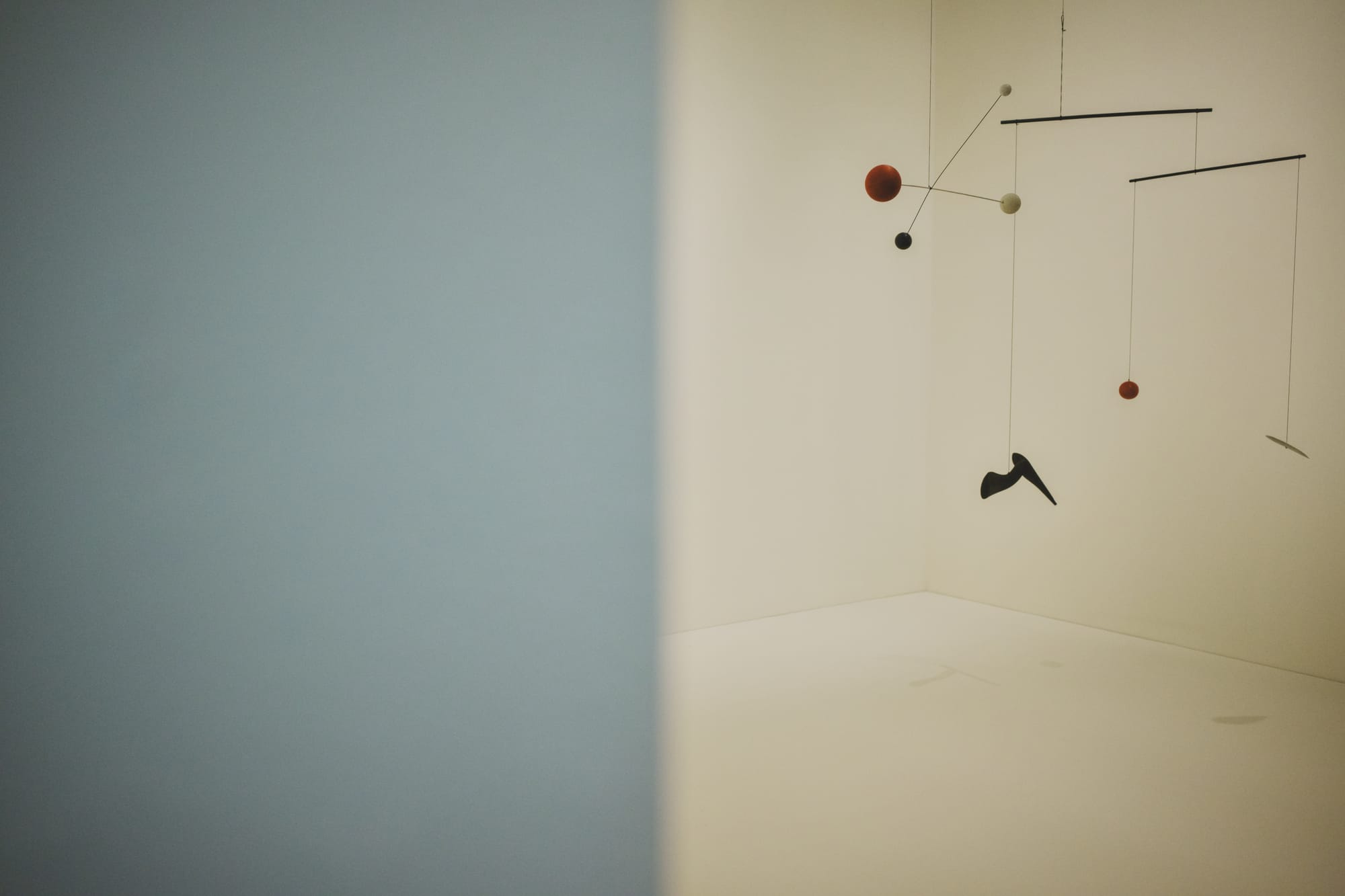
26W21. The unbearable lightness of Calder’s mobiles
When you’re not as rich as you’d like and not as powerful as you’d think, you plaster gold trinkets all over your Oval Office. When you’re as rich as millions of people combined and as powerful as most democratically elected heads of state, you plaster your munificence all over public amenities. Rockefeller did it, Carnegie did it, even Bernard Arnault did it. You can barely recognize LV’s monogram on top of its entrance, but make no mistake, the Fondation Louis Vuitton is testament to Arnault’s grip over France’s public affairs.
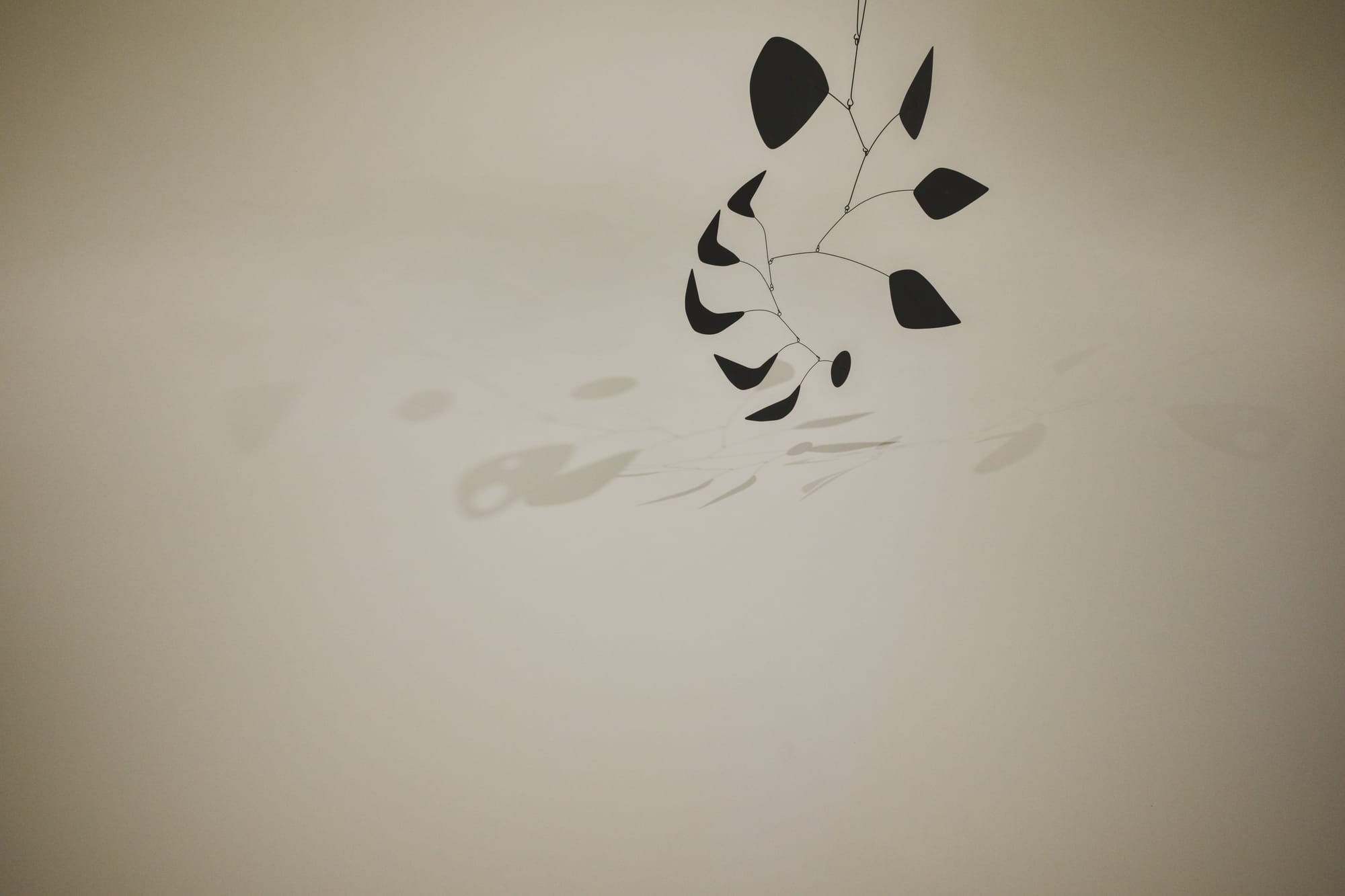
Much to the chagrin of our public museums, which can’t afford to overbid mere millionaires and keep national treasures from leaving the country, the Fondation Louis Vuitton has pockets deep enough to gather works from all over the world and organize lavish monographic exhibitions. “Rêver en équilibre” (“dreaming in equilibrium”) brings nearly 300 works from Alexander Calder under the same roof. It’d be impressive if they’d simply tossed them haphazardly into a room, but Frank Gehry’s steel and glass vessel seems to have been designed to hold Calder’s delicate sculptures.
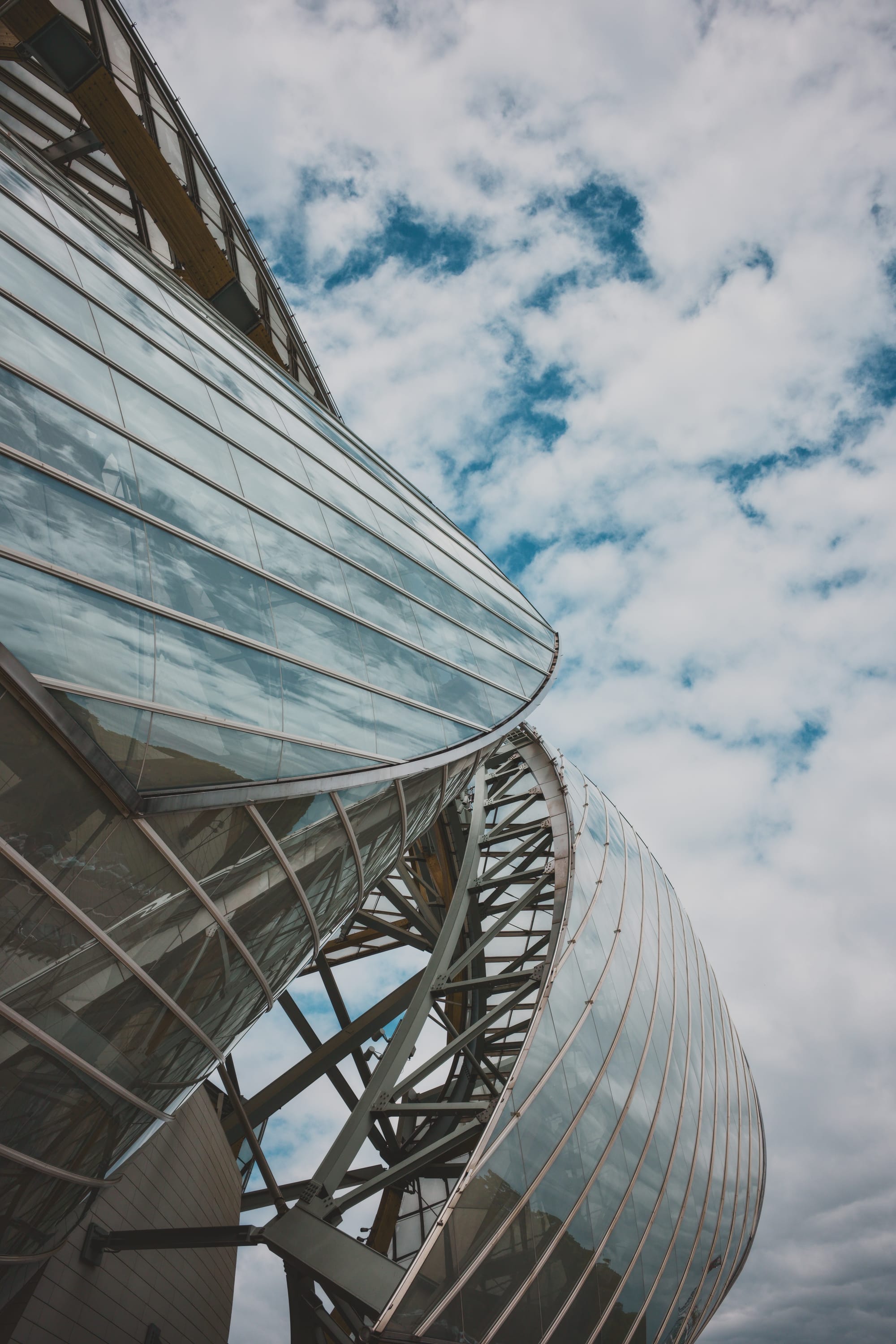
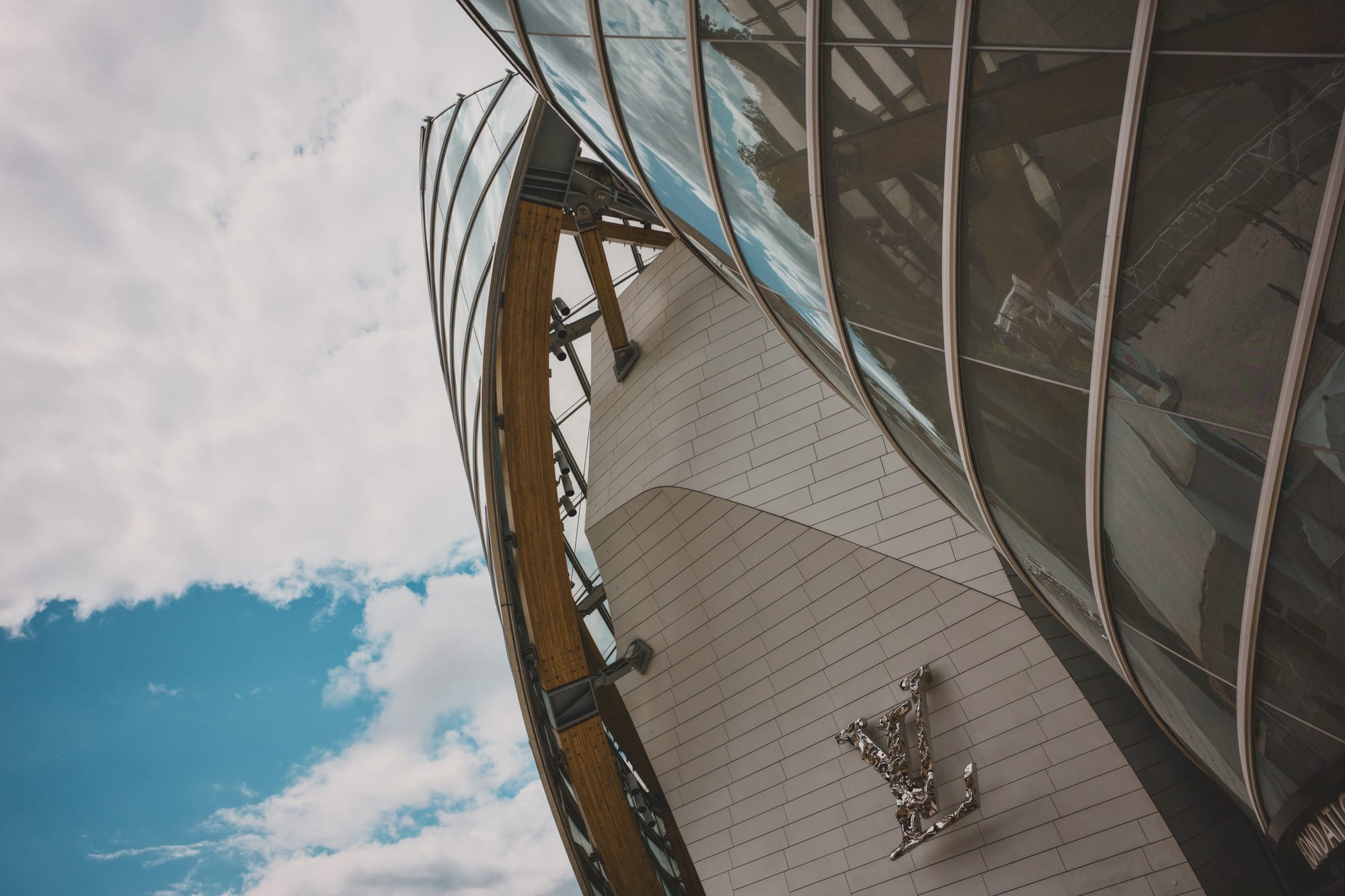
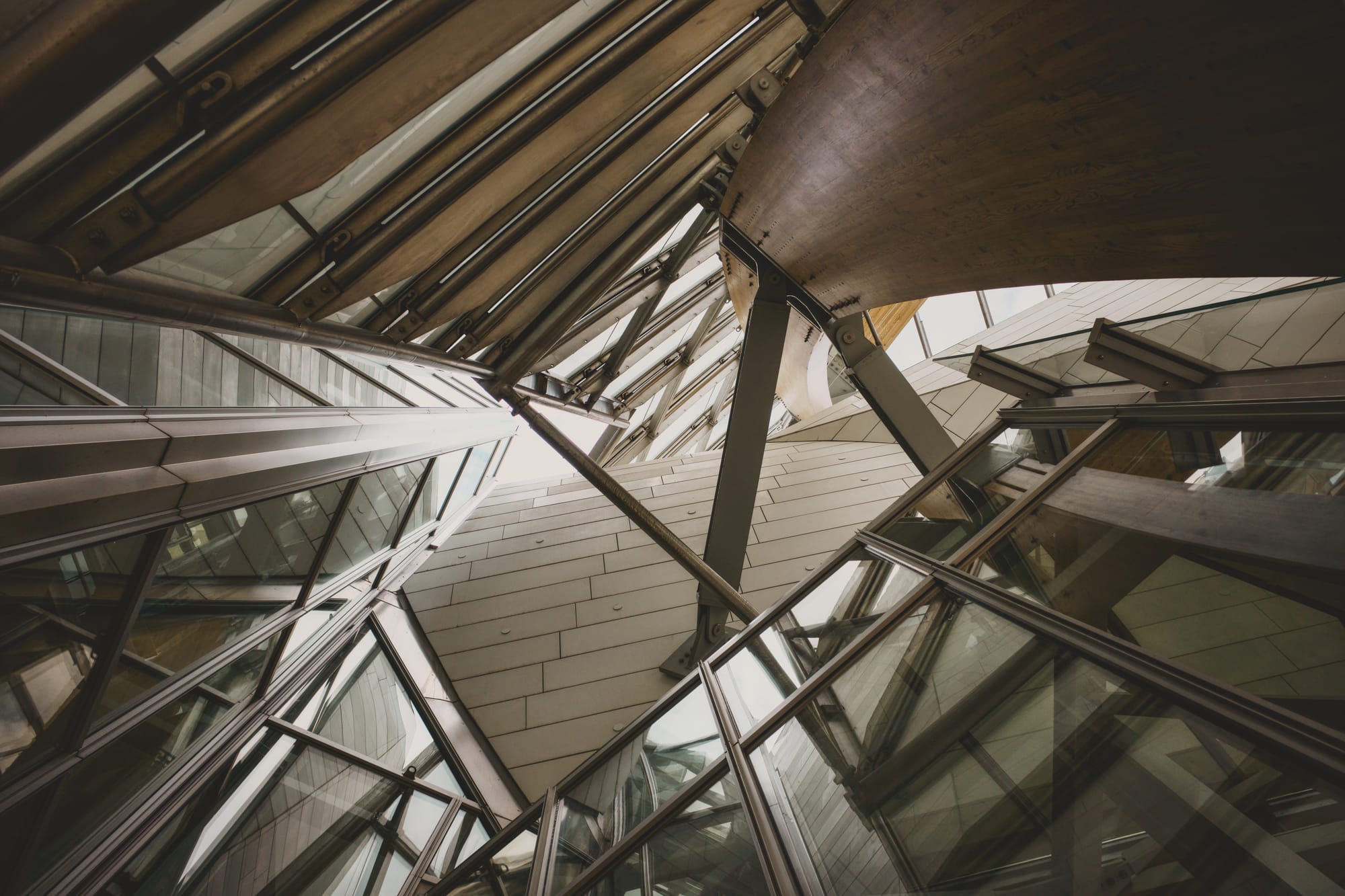
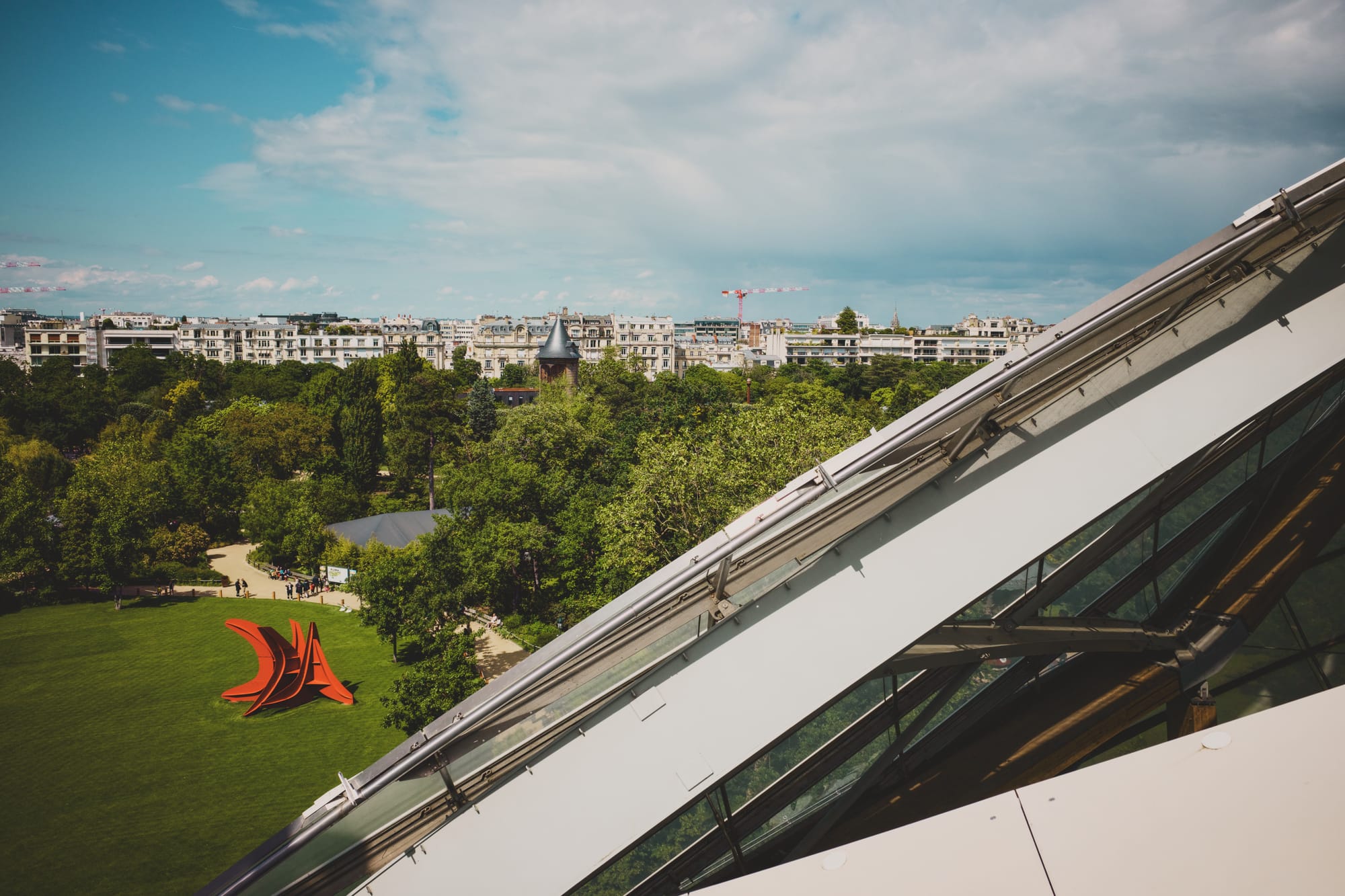

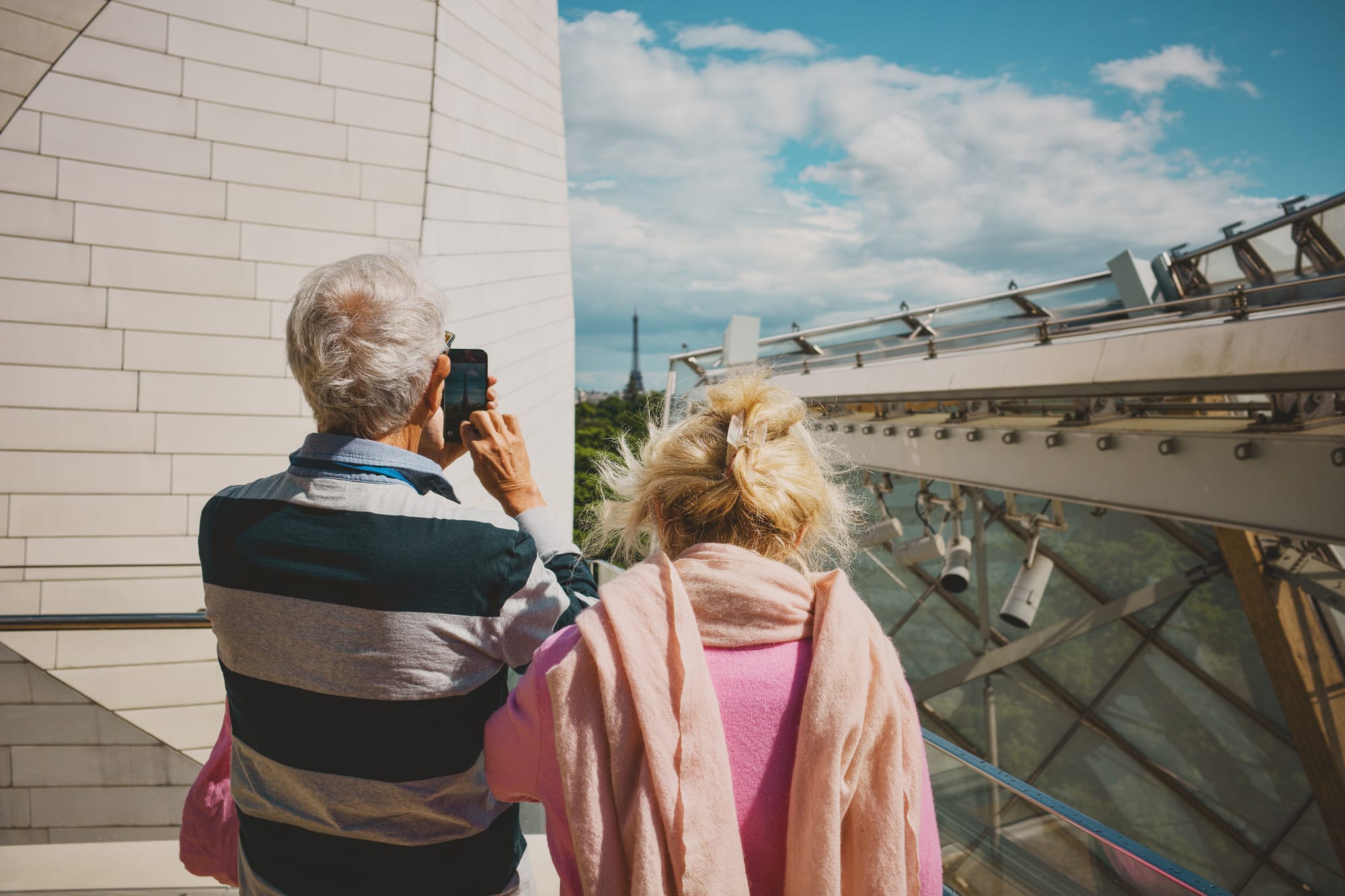
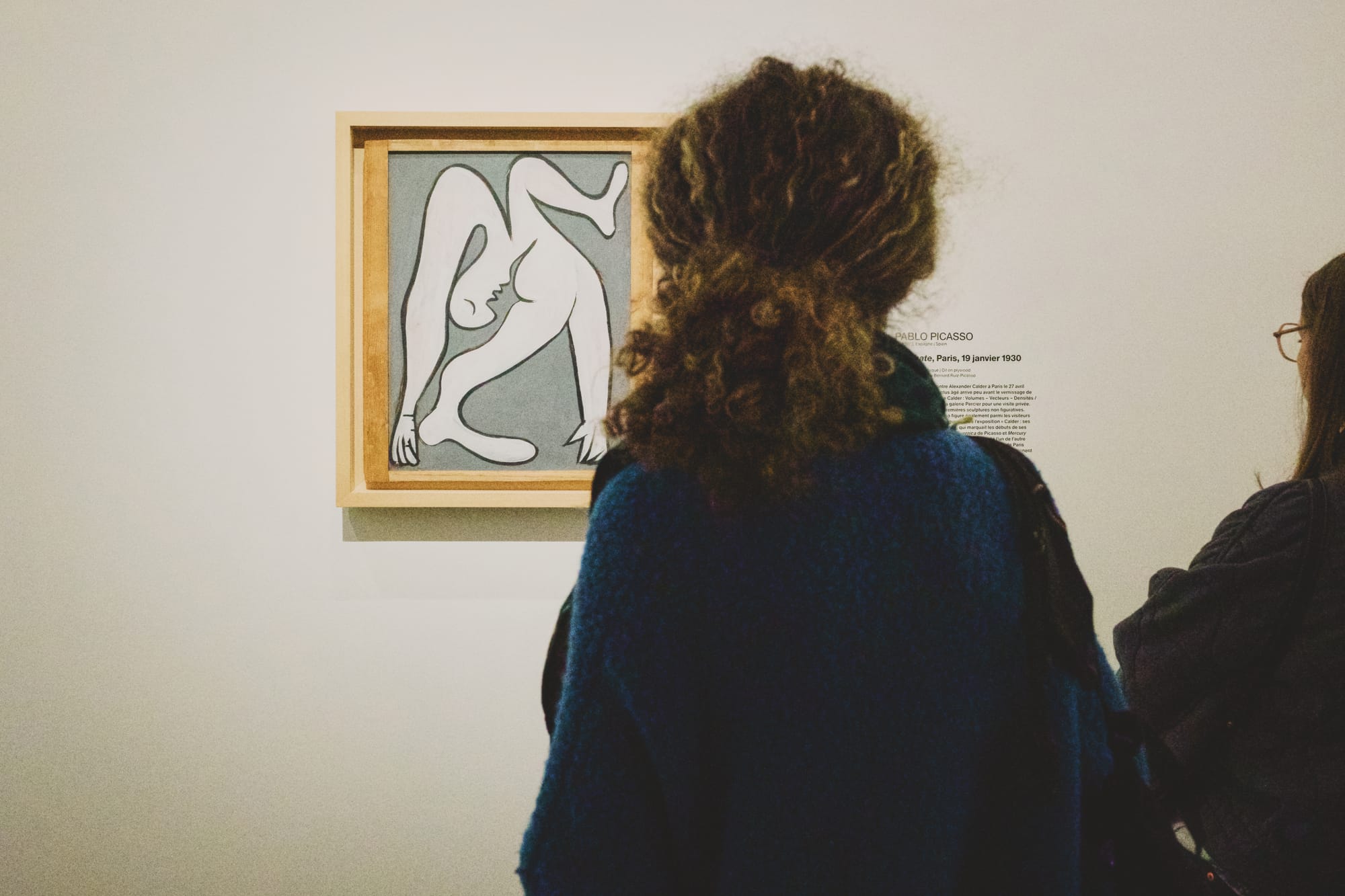

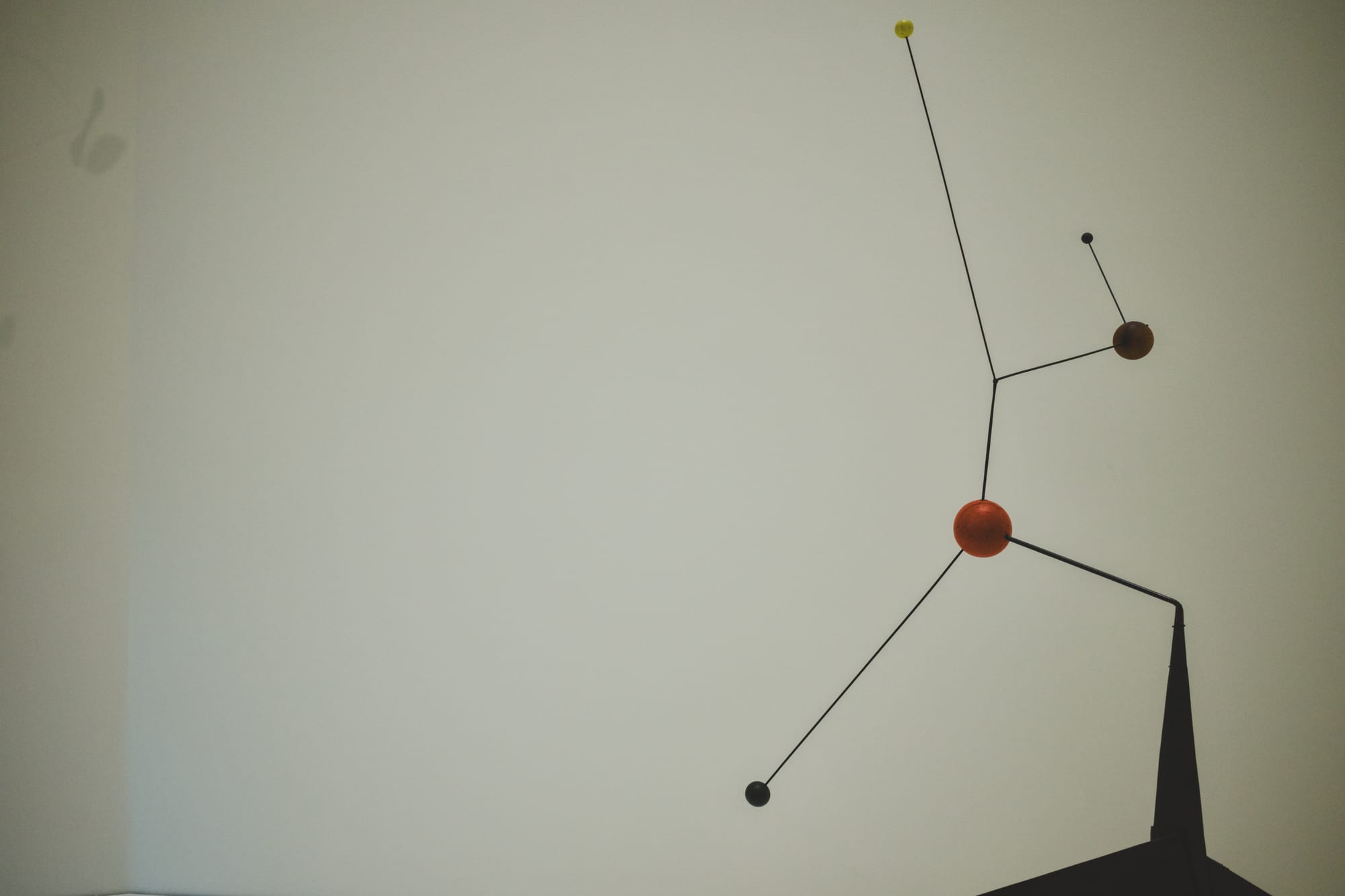
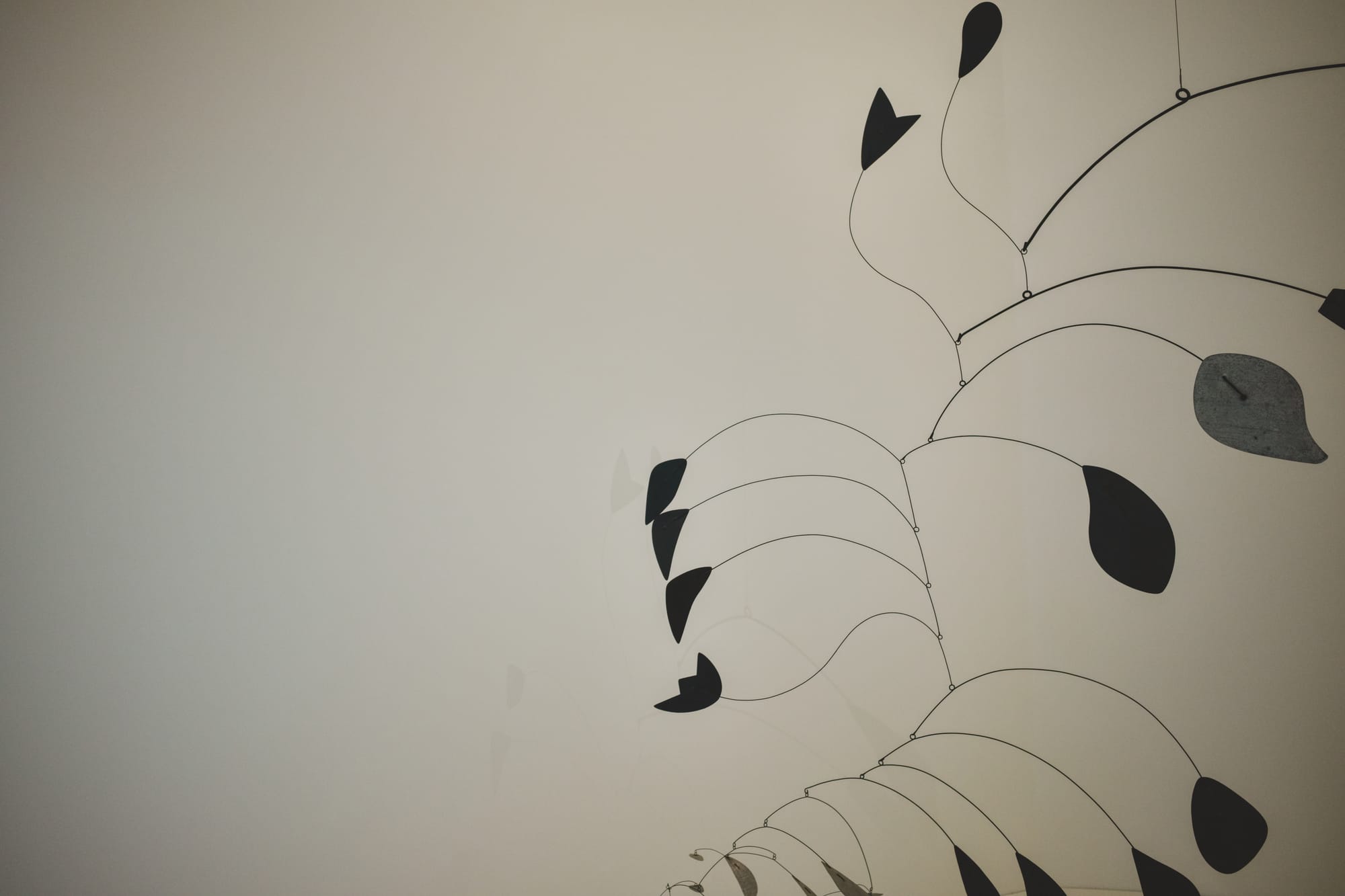
Paris (France), 2025/05. Images Anthony Nelzin-Santos.
Money plays a big part — it’s no coincidence that the Whitney Museum of American Art loaned Calder’s Circus to the Fondation Louis Vuitton, for what should be its last voyage outside of the US, only weeks after LVMH sponsored one of its exhibitions. But it’s not all about money. You could feel the care and attention that radiated from each and every space, from the most intimate niches to the most grandiose of rooms. They had a ball staging Calder’s pieces, and it shows.
The first mobiles were delicate things, little hanging sculptures not much bigger than your head. The last ones are monumental things, huge structures that tower over you. And yet, big or small, they all move with the tiniest draught of air. That’s something even money can’t control: again and again, as if moved by a mischievous force, the mobiles tripped up the proximity alarms. What a delight.
Links
“AI Doesn’t Work and We All Know it Doesn’t Work” by Margaret Killjoy. “Last week, a bunch of college graduates, walking across the stage to get their diplomas, didn’t have their names called. Because the university had outsourced the task of reading their names out to an AI. And AI doesn’t work.” They had their revenge. And i’m confident they’ll continue to get it. Actual intelligence works.
“Ad Infinitum” by Matthias Ott. Why are we losing so much energy over Google’s latest devolution? For most people, Google is the beginning and end of their whole computing journey. We act as if we’re owed one of those ten blue links, but Google paid us with all of their “organic traffic” and “programmatic ads”, and now they’re taking their reward. The contract hasn’t been broken: it’s always been about exploitation, and there’s far more money to be made pillaging the ungodly amount of personal data people create each second of each minute of each hour of each day. We should celebrate our fall into economic irrelevancy. We’re now free to create what we want for the audience we chose.
“Rakuten Kobo and StoryGraph announce integration”. Great news.
Movies
Wicked: For Good by Jon M. Chu. Such an incredible movie… because it has no redeeming qualities. It’s ugly as sin, the music is bad and the lyrics are worse, the characters are shallower than a salt flat, and the plot is nothing more than an assortment of barely related scenes. Chu turned one of the most iconic moments in the history of cinema, when Dorothy steps into the glow of the Technicolor lighting, into a grotesque 3D-generated and autotune-ridden farce.